
Compressed air is often one of the largest energy expenses on a mine site — yet it’s frequently overlooked as a cost-saving opportunity.
In many Australian mining operations, compressed air can account for a significant portion of total energy consumption. When systems are inefficient, oversized, or poorly maintained, the financial impact compounds quickly.
The good news? There are practical, measurable ways to reduce compressed air energy costs without compromising performance.
1. Conduct a Compressed Air Audit
The first step in improving efficiency is understanding how your system is performing.
Many mining sites operate with compressors that were specified years ago under different production demands. Others unknowingly run systems with pressure drops, inappropriate settings, or significant leakage.
A professional compressed air audit provides clarity. It measures real-time demand, identifies inefficiencies, highlights pressure losses, and uncovers hidden energy waste. Often, sites discover they are producing more compressed air than they need and paying heavily for it.
A properly conducted audit becomes the foundation for smarter system decisions and long-term savings.
2. Implement Variable Speed Drive (VSD) Compressors where applicable
In fixed plant and processing environments, where electrically driven compressors supply workshops, CHPP facilities, conveyor systems, or instrumentation air demand rarely remains constant.
Mining operations rarely operate at a perfectly consistent air demand. Shift changes, tool usage patterns, and varying production loads create peaks and troughs throughout the day.
Traditional fixed-speed electric compressors operate at full output regardless of demand. When air consumption drops, the compressor continues running unloaded or inefficiently, consuming unnecessary energy.
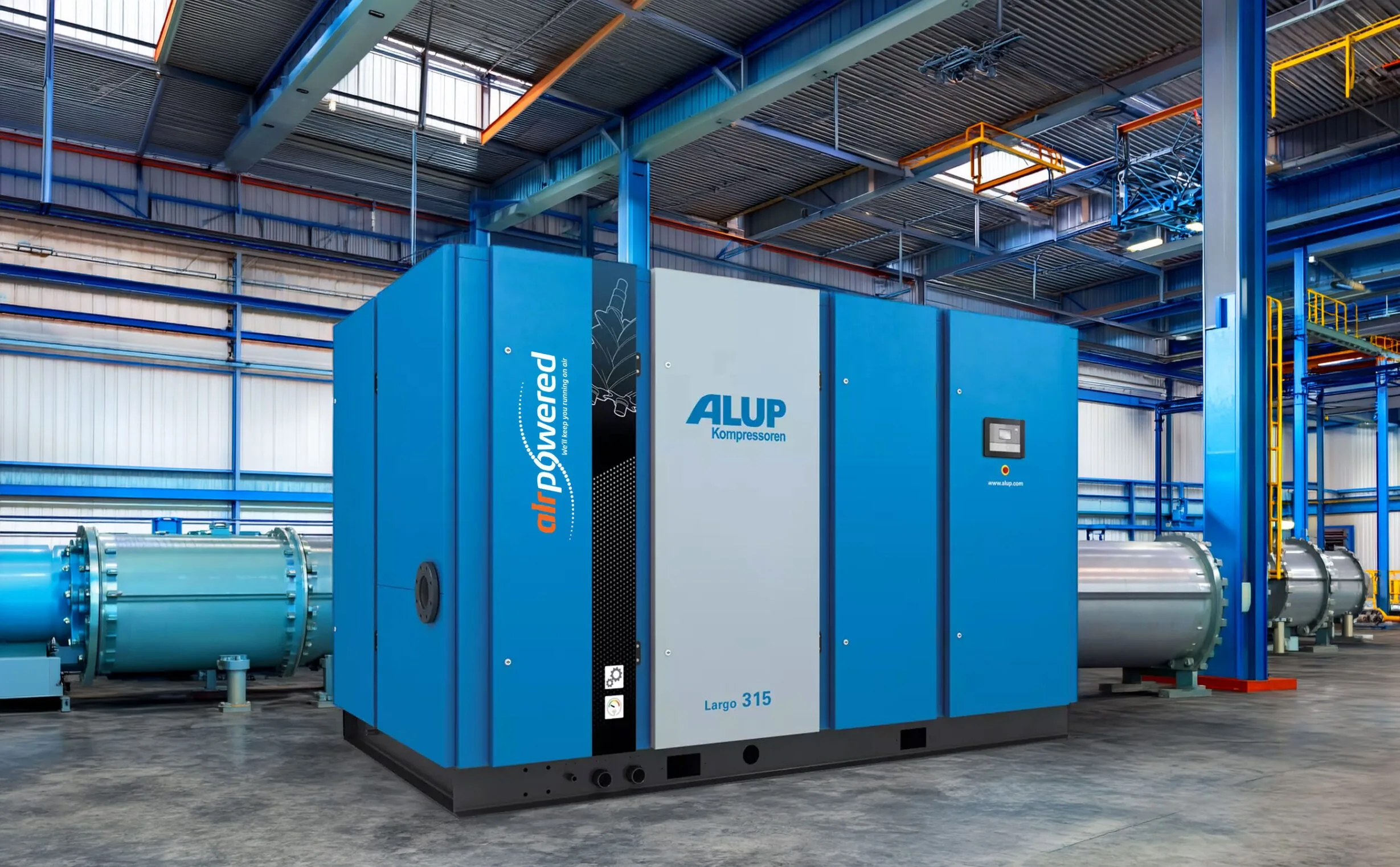
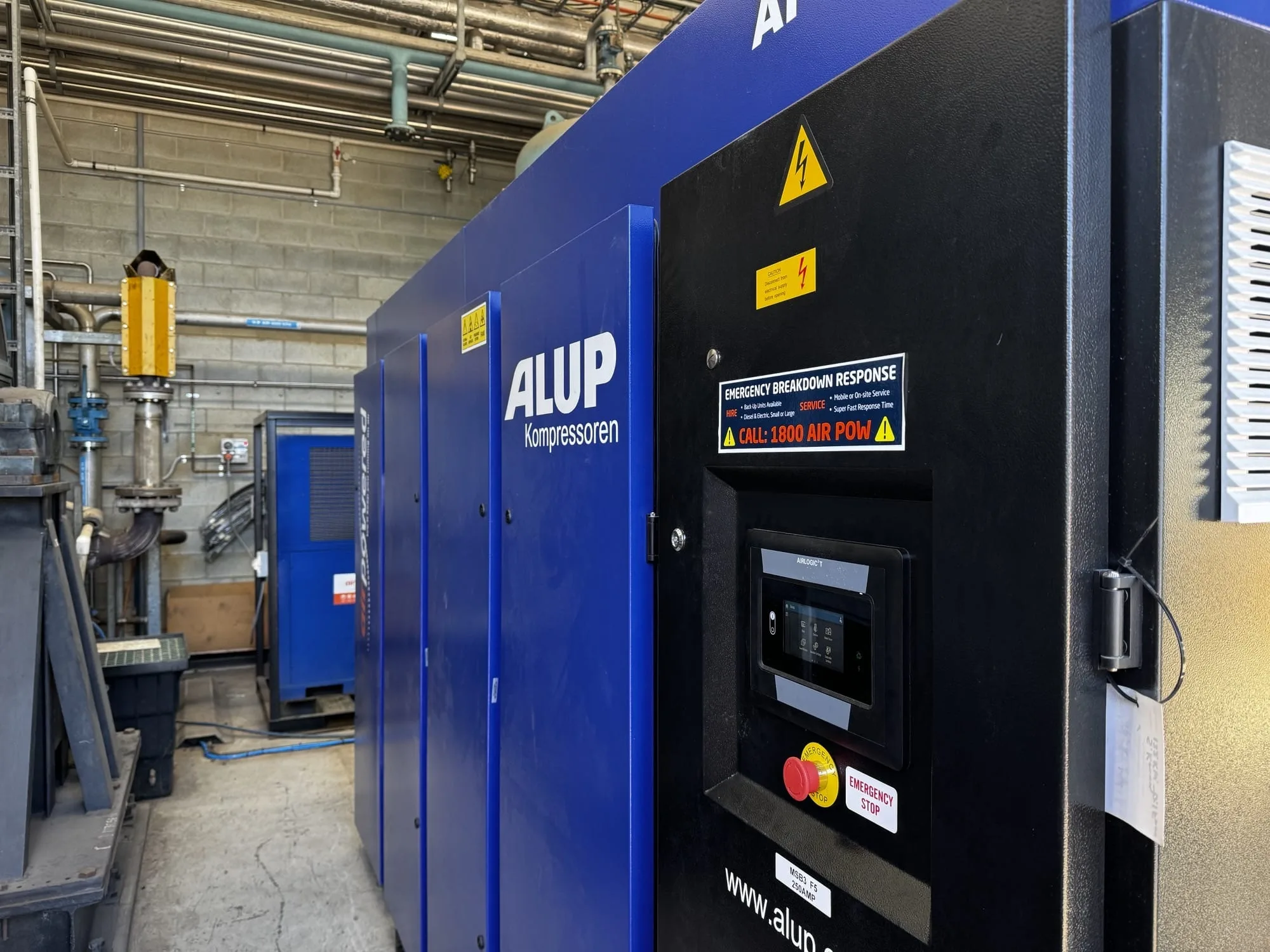
Variable Speed Drive (VSD) compressors automatically adjust motor speed to match real-time air demand. In fixed infrastructure environments, this flexibility can significantly reduce energy waste, particularly where demand fluctuates throughout the shift. This can result in lower electricity consumption, reduced operating costs, smoother system pressure control and less mechanical stress on equipment
For many sites, upgrading to VSD technology delivers measurable energy savings almost immediately.
3. Eliminate Air Leaks
Air leaks are one of the most common and most expensive inefficiencies in mining compressed air systems.
In harsh environments with dust, vibration and heavy equipment movement, fittings and hoses can degrade over time. Even small leaks add up. Industry estimates suggest leaks can account for up to 20–30% of total compressed air waste.
The challenge is that leaks often go unnoticed because the system simply works harder to maintain pressure. Routine leak detection surveys, combined with proactive maintenance, can significantly reduce wasted energy and improve overall system performance. In many cases, leak repair offers one of the fastest returns on investment available in compressed air optimisation.
4. Improve Air Treatment Efficiency
Air dryers and filtration systems are essential in mining, particularly where instrument air and automation systems are involved. However, poorly maintained treatment systems increase pressure drop across the network.
Every unnecessary bar of pressure requires additional energy to produce.
Clogged filters, saturated dryers, or outdated equipment force compressors to work harder than necessary. Over time, this drives up electricity costs and increases wear on core components.
Ensuring air treatment systems are properly specified and regularly serviced helps maintain consistent air quality while keeping energy consumption under control.
5. Use Smart Monitoring and Controls
Modern compressed air systems benefit greatly from real-time monitoring.
Smart control systems allow operators to track pressure levels, flow demand, temperature, and energy consumption across the network. This data enables predictive maintenance, load balancing between multiple compressors, and early detection of inefficiencies.
Instead of reacting to problems after they impact production, operators can make informed adjustments that optimise performance and minimise energy waste.
For larger mining sites, system-wide control strategies can deliver substantial long-term cost reductions.
Energy Efficiency Is a Long-Term Strategy
Reducing compressed air energy costs isn’t about one quick fix, it’s about taking a structured, data-driven approach to system performance.
When properly designed, monitored, and maintained, energy efficient mining compressors and optimised air systems deliver:
- Lower electricity costs
- Reduced wear and tear
- Improved system reliability
- Greater operational control
Across Australia’s mining sector, energy efficiency is becoming a competitive advantage, not just an operational consideration.
Taking a proactive approach to compressed air performance can significantly reduce long-term energy spend while improving overall site reliability.
Ready to Reduce Your Compressed Air Costs?
If you’re paying too much for compressed air, it’s time to take action. Get in touch with the team at Air Powered Services today and speak to our experts about ways you can optimise your compressors.
After 30 years in the air game, one thing remains true: the answer lies in keeping it simple. One number. One team. One partner who understands what it takes to keep you running on air.